# Still Running Your Business on WordPress? Here’s the Security Risk No One Talks About
In 2025 alone, the WordPress ecosystem saw 11,334 newly reported vulnerabilities.
That’s nearly 1,000 new security vulnerabilities every single month.
For businesses running critical websites, communities, LMS platforms, membership systems, or SaaS products on WordPress, this is more than just a technical concern — it is a direct business risk.
Because the real problem is not just updates.
The real problem is what happens before the fix arrives.
The Dangerous Gap Between Disclosure and Fix
WordPress recommends frequent updates, and that is good advice.
But what happens when a vulnerability is zero-day?
What happens when the plugin developer takes days or weeks to release a patch?
During that time, your website remains exposed.
This is exactly where most compromises happen.
Many vulnerabilities are publicly disclosed with:
full technical details
affected versions
proof-of-concept exploit code
reproduction steps
While this helps security researchers, it also makes life incredibly easy for attackers.
Their bots do not sleep.
The moment a vulnerability is published, automated systems begin scanning the web for websites using the affected plugin or theme.
Once they find your site, the exploit is tested automatically.
At scale.
Across thousands of websites.
This is not a hypothetical threat.
This is how websites get hacked every day.
One Plugin Can Put Your Entire Business at Risk
The bigger issue is dependency.
Most WordPress websites rely on multiple third-party plugins and themes.
Each one introduces another attack surface.
Each one depends on another developer.
And not every developer has the resources to respond quickly.
Some plugins are underfunded.
Some are poorly maintained.
Some are eventually abandoned.
Others require recurring paid licenses, increasing your operational cost while still leaving your business dependent on external codebases.
This means your business stability is often at the mercy of:
plugin vendors
theme developers
delayed patch releases
abandoned open-source projects
public exploit databases
That’s a lot of risk for something that should simply work.
The Hidden Cost of “Free”
WordPress is often seen as the low-cost option.
But the real cost is rarely visible upfront.
The hidden cost includes:
security monitoring
emergency patching
plugin conflicts
malware cleanups
site downtime
lost customer trust
recurring premium plugin licenses
developer maintenance hours
When you add all of this up, “free” can become very expensive.
Sometimes more expensive than SaaS.
Why More Businesses Are Moving to SaaS
A SaaS platform removes this burden.
Instead of managing security across dozens of plugins and dependencies, everything is centrally maintained and secured.
Updates happen at the platform level.
Security patches are deployed proactively.
Infrastructure is managed.
Performance is optimized.
Backups, scaling, and uptime are built in.
Most importantly, your team can focus on growth instead of firefighting.
With SaaS, you get:
managed security
faster updates
infrastructure stability
predictable pricing
lower maintenance overhead
peace of mind
No plugin roulette.
No midnight vulnerability alerts.
No dependency chaos.
Choose Stability Over Uncertainty
Your business deserves a platform built for reliability.
If keeping up with thousands of vulnerabilities every year is becoming unsustainable, maybe it is time to stop relying on patchwork systems.
Choose stability.
Choose security.
Choose peace of mind.
Why not move to SaaS?
Keep reading
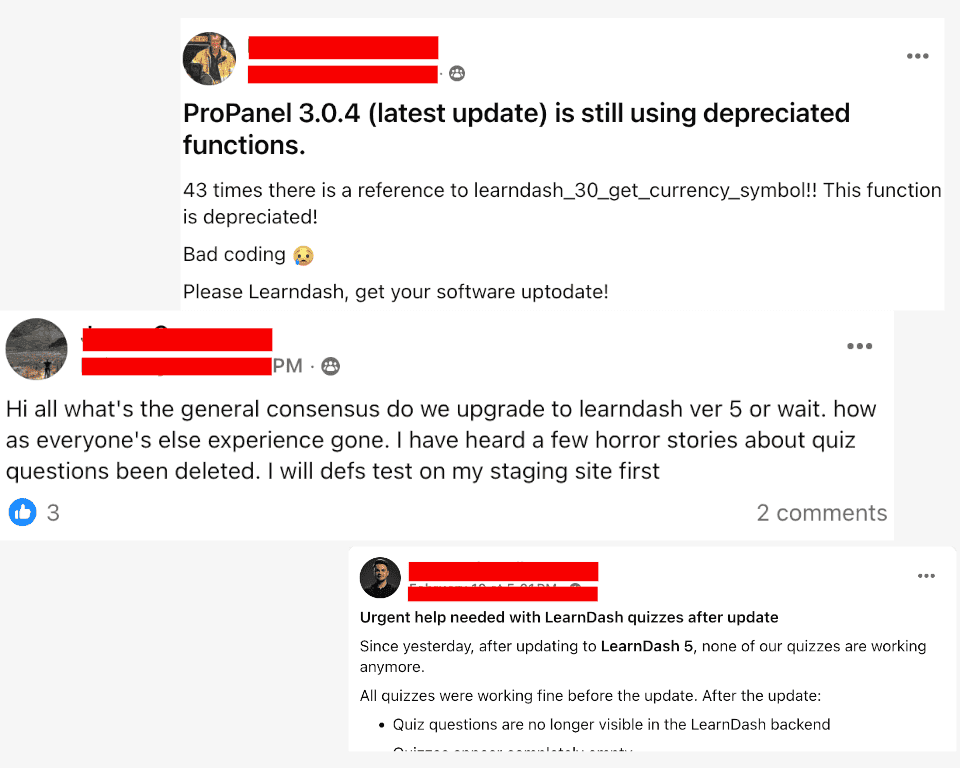
Why WordPress Updates Are a Nightmare for Site Owners — and Why SaaS Is the Smarter Future
For millions of businesses, WordPress started as f
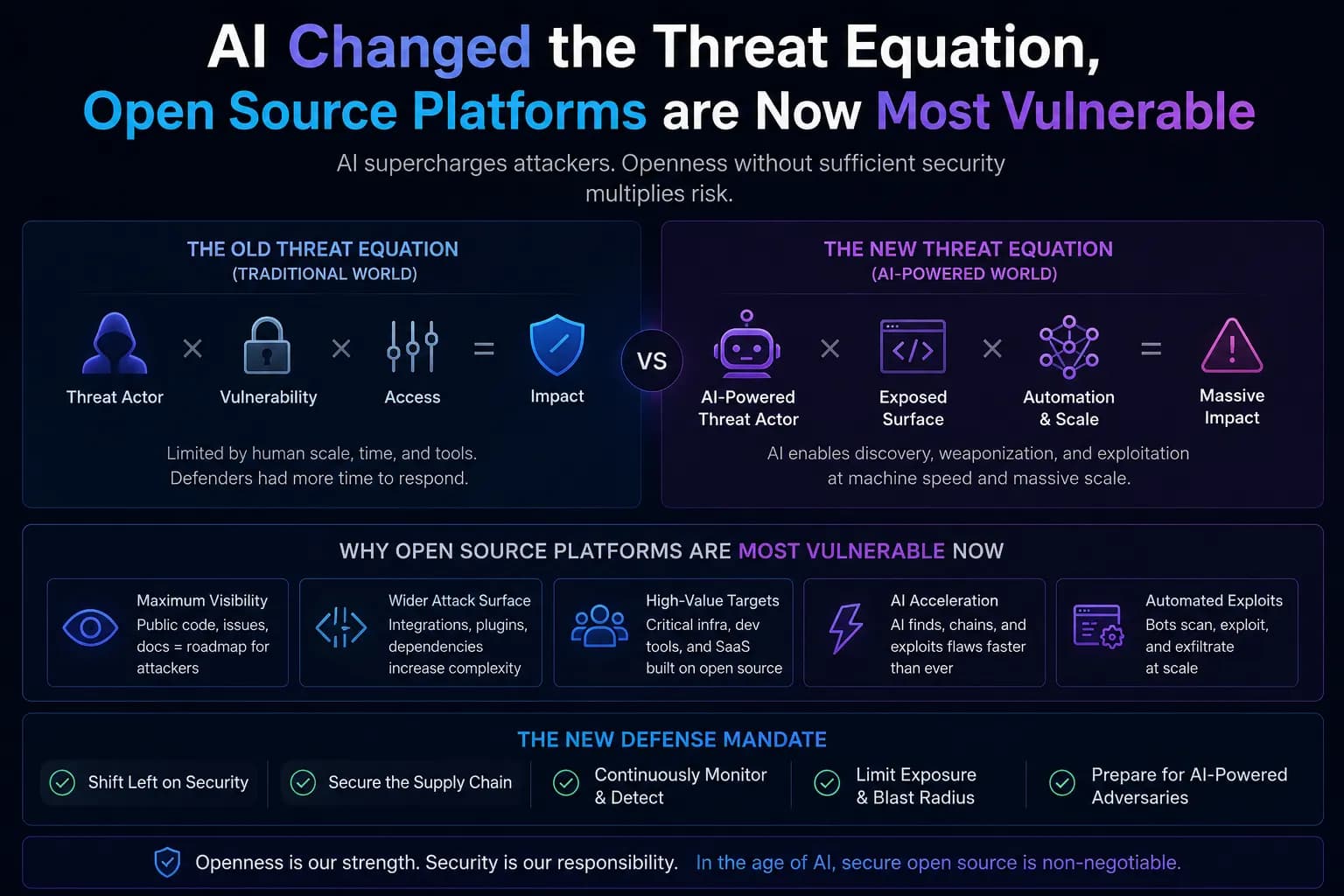
AI Changed the Threat Equation: Why Moving from WordPress to AcademyLauncher Is the Smart Move
WordPress helped democratize publishing. It gave m